Bali
Tropical Climate · Island Living · Restorative Pace
Island living shaped by ritual and rhythm
Tropical Climate · Island Living · Restorative Pace
Island living shaped by ritual and rhythm
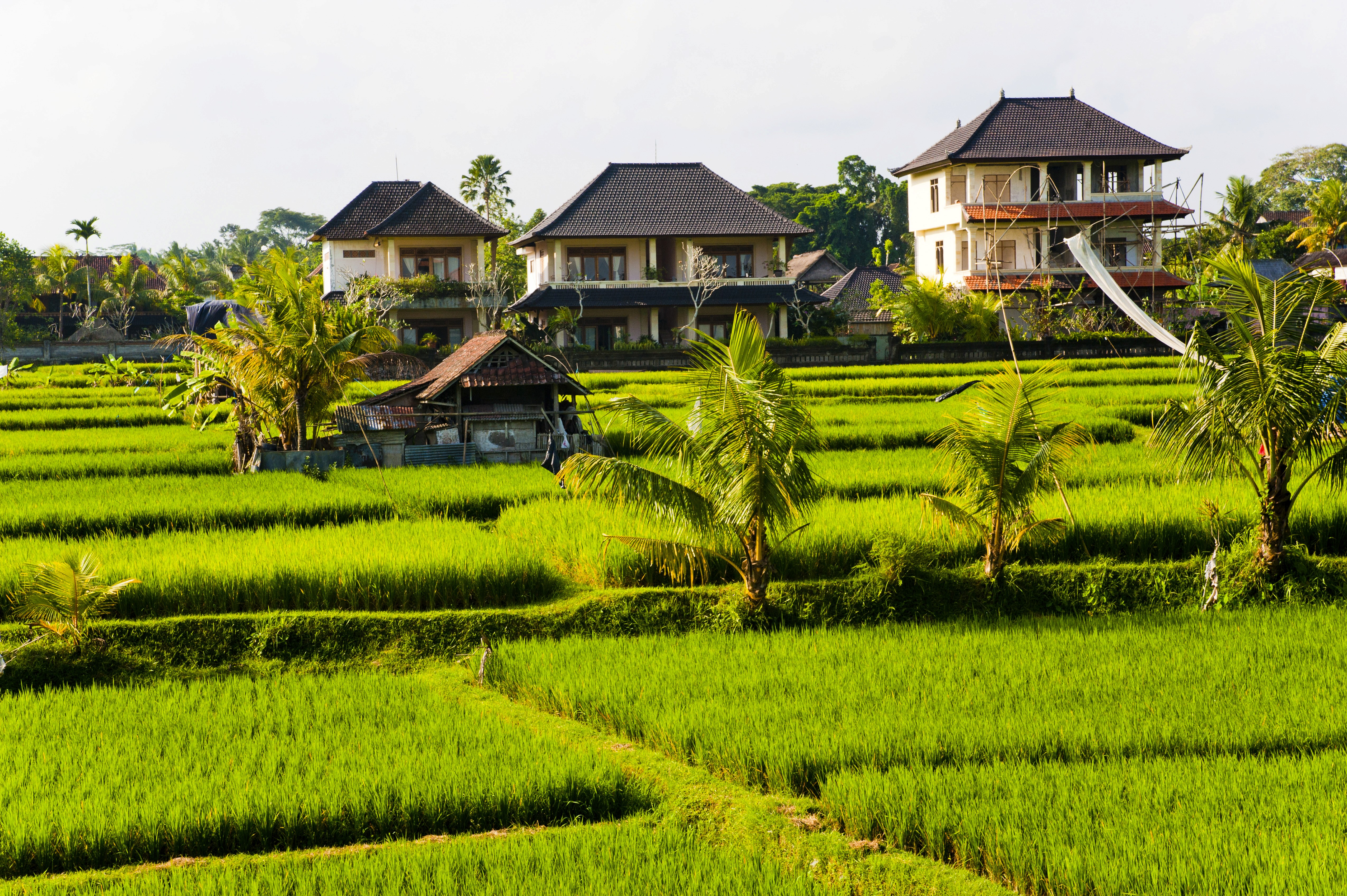
Bali is less a destination to visit and more a place to recalibrate within. Defined by tropical climate, layered cultural traditions, and an outdoor-oriented way of life, the island rewards those who approach it not as a short holiday, but as a slower and more immersive residential experience.
Across Bali, daily life follows a natural rhythm shaped by light, landscape, and community. Mornings begin early with warm air and open skies, afternoons slow beneath the tropical heat, and evenings unfold through informal dining, quiet streets, and a social life that remains relaxed rather than hurried. Coastal areas such as Canggu and Uluwatu provide an energetic entry point with cafés, surf beaches, and international communities, while inland regions like Ubud offer a quieter environment centred around greenery, wellness, and long-established village culture. Rice terraces, temple pathways, and low-density residential areas create an atmosphere closer to lived island routine than short-term tourism.
Bali’s distinctive character lies in the continuity between environment and daily life. Ceremonial traditions, seasonal festivals, and a strong sense of local rhythm shape the island’s pace, allowing longer stays to feel integrated rather than temporary. Outdoor living is not an activity but a default condition, supported by climate, architecture, and open spatial design.
The most balanced periods for extended stays typically fall between May and October, when the dry season brings more stable weather, clearer skies, and easier movement across the island. During these months, Bali shifts from peak tourist flow into a more sustainable residential environment suited to routine, remote work, and longer-term settlement.
For residents moving between global cities and tropical seasons, Bali offers not simply a retreat, but a chapter — defined by warmth, continuity, and the restoration of everyday rhythm.
Across Bali, daily life follows a natural rhythm shaped by light, landscape, and community. Mornings begin early with warm air and open skies, afternoons slow beneath the tropical heat, and evenings unfold through informal dining, quiet streets, and a social life that remains relaxed rather than hurried. Coastal areas such as Canggu and Uluwatu provide an energetic entry point with cafés, surf beaches, and international communities, while inland regions like Ubud offer a quieter environment centred around greenery, wellness, and long-established village culture. Rice terraces, temple pathways, and low-density residential areas create an atmosphere closer to lived island routine than short-term tourism.
Bali’s distinctive character lies in the continuity between environment and daily life. Ceremonial traditions, seasonal festivals, and a strong sense of local rhythm shape the island’s pace, allowing longer stays to feel integrated rather than temporary. Outdoor living is not an activity but a default condition, supported by climate, architecture, and open spatial design.
The most balanced periods for extended stays typically fall between May and October, when the dry season brings more stable weather, clearer skies, and easier movement across the island. During these months, Bali shifts from peak tourist flow into a more sustainable residential environment suited to routine, remote work, and longer-term settlement.
For residents moving between global cities and tropical seasons, Bali offers not simply a retreat, but a chapter — defined by warmth, continuity, and the restoration of everyday rhythm.