Landscape · Quiet Living · Heritage Rhythm
Country living shaped by season and space
Landscape · Quiet Living · Heritage Rhythm
Country living shaped by season and space
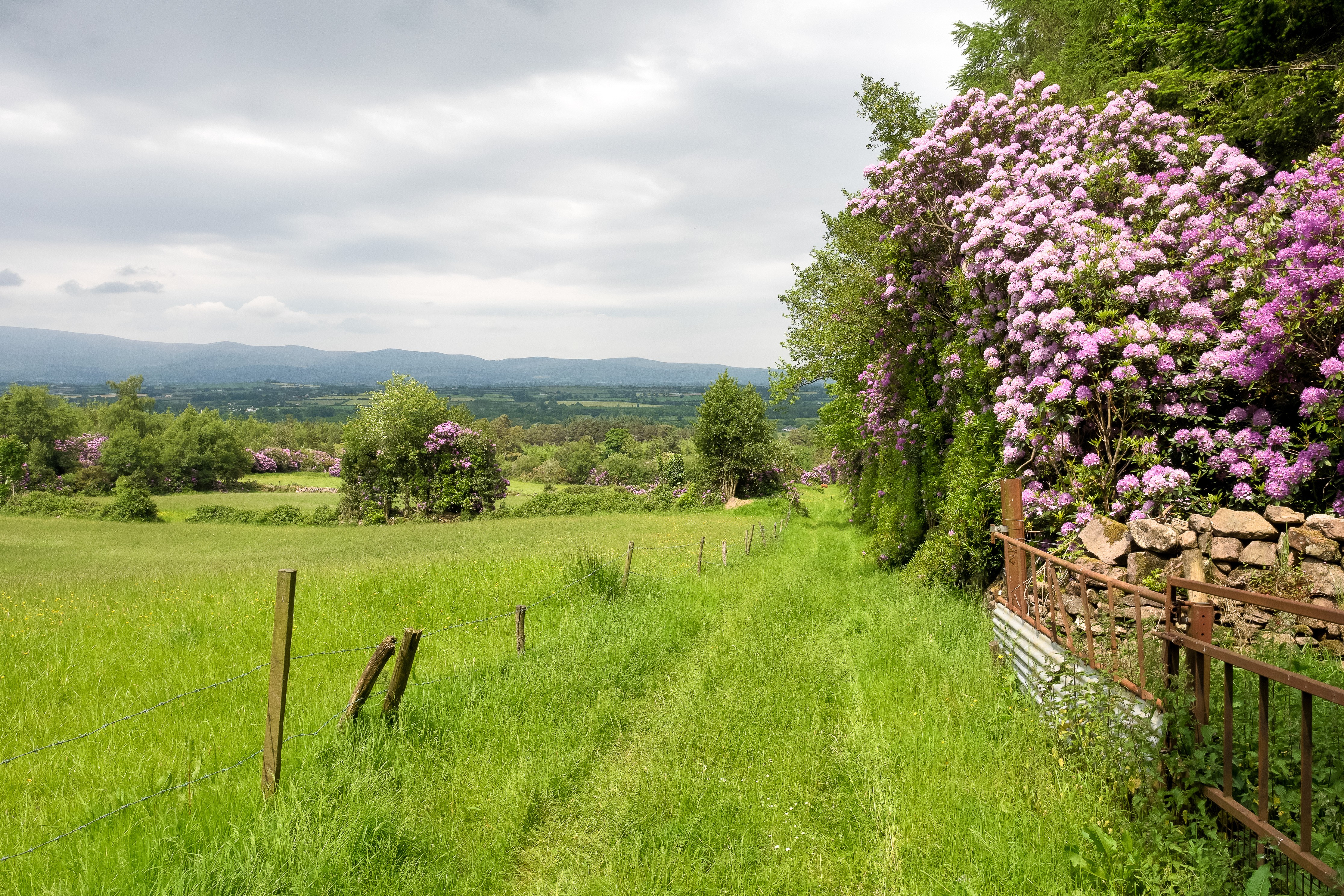
In the British countryside, life is not organised by urgency but by distance — distance between towns, between houses, and often between moments themselves. What first appears quiet gradually reveals a structured rhythm shaped by landscape, weather, and long-standing patterns of rural living.
Unlike resort destinations designed around entertainment, the countryside offers something more permanent: an environment where daily routines expand outward into fields, footpaths, village centres, and seasonal markets. Mornings tend to begin with light through large windows and the sound of weather rather than traffic. Days unfold through walking routes, local pubs, garden spaces, and the slow social life of communities that operate on familiarity rather than anonymity.
The architecture plays its own role in shaping the experience. Stone cottages, converted farmhouses, Georgian manors, and centuries-old village streets create a sense of continuity rarely replicated in newer developments. Interiors favour warmth over spectacle — fireplaces, timber beams, layered textiles — not as decoration, but as responses to climate and season.
What makes the countryside particularly suited to longer stays is not isolation, but balance. Proximity to London allows for access when needed, while daily life remains anchored in open space and slower environmental rhythms. Seasonal change is felt clearly here: spring fields opening, summer evenings stretching long, autumn bringing colour and harvest, and winter concentrating life inward around light and warmth.
For residents navigating between cities, coastlines, and global movement, the British countryside rarely functions as a destination. It becomes a pause — one defined not by inactivity, but by a different scale of living.
Unlike resort destinations designed around entertainment, the countryside offers something more permanent: an environment where daily routines expand outward into fields, footpaths, village centres, and seasonal markets. Mornings tend to begin with light through large windows and the sound of weather rather than traffic. Days unfold through walking routes, local pubs, garden spaces, and the slow social life of communities that operate on familiarity rather than anonymity.
The architecture plays its own role in shaping the experience. Stone cottages, converted farmhouses, Georgian manors, and centuries-old village streets create a sense of continuity rarely replicated in newer developments. Interiors favour warmth over spectacle — fireplaces, timber beams, layered textiles — not as decoration, but as responses to climate and season.
What makes the countryside particularly suited to longer stays is not isolation, but balance. Proximity to London allows for access when needed, while daily life remains anchored in open space and slower environmental rhythms. Seasonal change is felt clearly here: spring fields opening, summer evenings stretching long, autumn bringing colour and harvest, and winter concentrating life inward around light and warmth.
For residents navigating between cities, coastlines, and global movement, the British countryside rarely functions as a destination. It becomes a pause — one defined not by inactivity, but by a different scale of living.