Global City · Cultural Depth · Urban Continuity
City living shaped by rhythm and connection
Global City · Cultural Depth · Urban Continuity
City living shaped by rhythm and connection
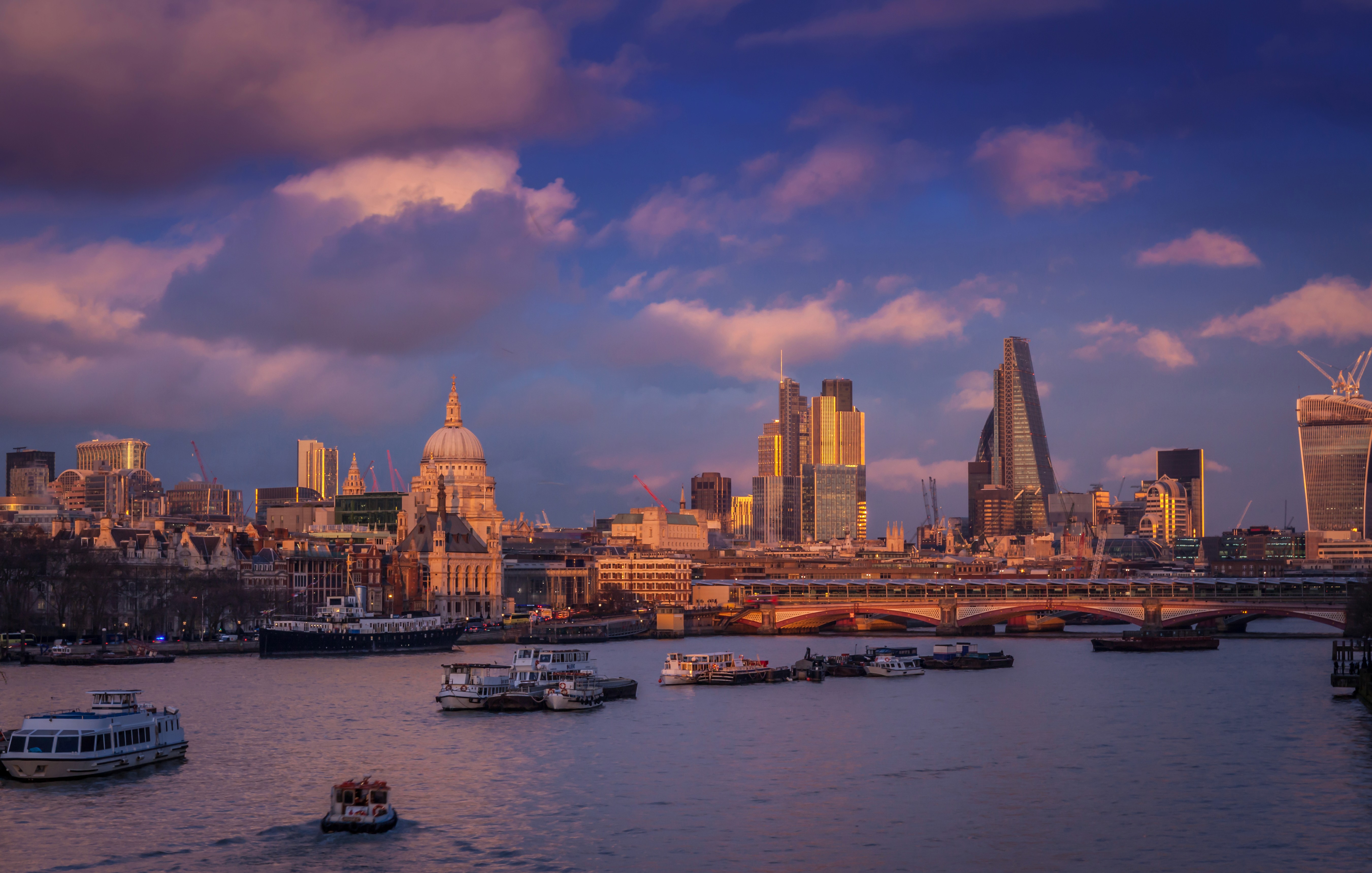
Some cities are destinations. London is infrastructure.
People rarely come to London simply to see it. They come to live within it — to move through neighbourhoods, routines, and networks that function with a quiet reliability found in few other global capitals. The city’s appeal lies less in any single landmark than in the stability of its daily life: cafés that open early, transport that connects everything, parks that soften the density, and streets that feel inhabited rather than staged.
What defines London is not its skyline but its districts. A morning in Marylebone feels entirely different from an evening in Chelsea, and both operate on a rhythm shaped by proximity, walkability, and long-standing residential patterns. This is a city where location does not simply determine value — it determines lifestyle, tempo, and social geography.
Unlike seasonal destinations, London does not ask to be visited at the right moment. It functions continuously. Museums, theatres, restaurants, and cultural spaces are not highlights to schedule but part of the everyday structure of living here. Even the weather, often discussed, plays a role in reinforcing the city’s interior culture — conversations over long dinners, exhibitions on grey afternoons, and the steady cadence of urban life regardless of season.
For those moving between international cities and quieter retreats, London rarely serves as the escape. It serves as the anchor — a place not defined by spectacle, but by continuity
People rarely come to London simply to see it. They come to live within it — to move through neighbourhoods, routines, and networks that function with a quiet reliability found in few other global capitals. The city’s appeal lies less in any single landmark than in the stability of its daily life: cafés that open early, transport that connects everything, parks that soften the density, and streets that feel inhabited rather than staged.
What defines London is not its skyline but its districts. A morning in Marylebone feels entirely different from an evening in Chelsea, and both operate on a rhythm shaped by proximity, walkability, and long-standing residential patterns. This is a city where location does not simply determine value — it determines lifestyle, tempo, and social geography.
Unlike seasonal destinations, London does not ask to be visited at the right moment. It functions continuously. Museums, theatres, restaurants, and cultural spaces are not highlights to schedule but part of the everyday structure of living here. Even the weather, often discussed, plays a role in reinforcing the city’s interior culture — conversations over long dinners, exhibitions on grey afternoons, and the steady cadence of urban life regardless of season.
For those moving between international cities and quieter retreats, London rarely serves as the escape. It serves as the anchor — a place not defined by spectacle, but by continuity