Warm Climate · Coastal Living · Open Space
Coastal living shaped by climate and space
Warm Climate · Coastal Living · Open Space
Coastal living shaped by climate and space
Brazil does not unfold through schedules. It unfolds through atmosphere.
Across much of the country’s coastline, daily life is organised less around time and more around temperature, light, and social proximity. The ocean is not treated as a backdrop but as infrastructure — shaping when people move, eat, gather, and rest. Morning activity often begins outdoors before the heat rises, afternoons soften into slower interior hours, and evenings return naturally to open-air dining, beaches, and extended social spaces.
What distinguishes Brazil from many coastal destinations is that the outdoor culture is not constructed for visitors; it is embedded in everyday living. Beachfront kiosks, neighbourhood cafés, small residential communities, and informal evening gatherings form part of the normal social fabric rather than seasonal attractions. The result is an environment where even short routines — buying fruit, walking the shore, meeting friends — feel spatially expansive.
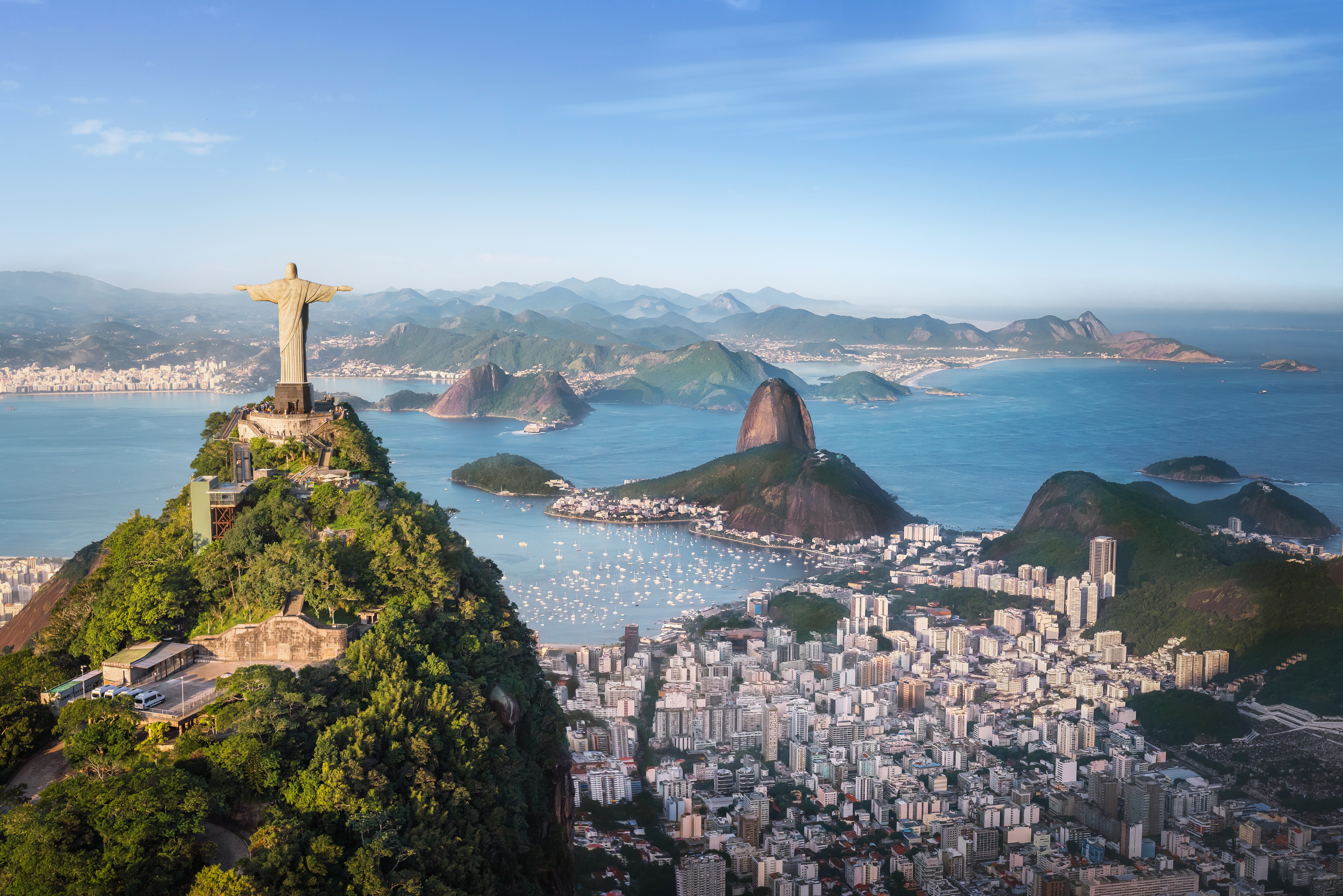
Regional variation further shapes the experience. Rio de Janeiro offers density, dramatic geography, and a constant visual dialogue between city and landscape, while areas of Bahia and other northern coastal zones operate at a calmer pace, defined more by community continuity than metropolitan movement. In these quieter regions, the horizon widens, construction lowers, and the relationship between architecture and nature becomes more direct.
Brazil tends to reward longer stays rather than short itineraries. Once initial movement slows, the country reveals itself less as a destination to “cover” and more as a place to inhabit temporarily — one where outdoor living is not an activity but the default condition.
For residents shifting between global cities and seasonal environments, Brazil rarely functions as an interruption. It functions as expansion — a chapter shaped by warmth, space, and the social ease of life lived largely outside.
Across much of the country’s coastline, daily life is organised less around time and more around temperature, light, and social proximity. The ocean is not treated as a backdrop but as infrastructure — shaping when people move, eat, gather, and rest. Morning activity often begins outdoors before the heat rises, afternoons soften into slower interior hours, and evenings return naturally to open-air dining, beaches, and extended social spaces.
What distinguishes Brazil from many coastal destinations is that the outdoor culture is not constructed for visitors; it is embedded in everyday living. Beachfront kiosks, neighbourhood cafés, small residential communities, and informal evening gatherings form part of the normal social fabric rather than seasonal attractions. The result is an environment where even short routines — buying fruit, walking the shore, meeting friends — feel spatially expansive.
Regional variation further shapes the experience. Rio de Janeiro offers density, dramatic geography, and a constant visual dialogue between city and landscape, while areas of Bahia and other northern coastal zones operate at a calmer pace, defined more by community continuity than metropolitan movement. In these quieter regions, the horizon widens, construction lowers, and the relationship between architecture and nature becomes more direct.
Brazil tends to reward longer stays rather than short itineraries. Once initial movement slows, the country reveals itself less as a destination to “cover” and more as a place to inhabit temporarily — one where outdoor living is not an activity but the default condition.
For residents shifting between global cities and seasonal environments, Brazil rarely functions as an interruption. It functions as expansion — a chapter shaped by warmth, space, and the social ease of life lived largely outside.